
All of us start keeping birds as amateur bird lovers. As we gain experience we become more aware about raising birds in a better way. Many experienced aviculturists will tend to agree that the primary cause of any health disease in captive birds is the result of nutrition deficiency.
Cause of Nutritional Deficiency:
Inappropriate food and Poor quality food will result in failure to grow, thrive, or breed, as well as it can lead to other infections, obesity, cancers and damage to various organs.
What Nutritions Required?
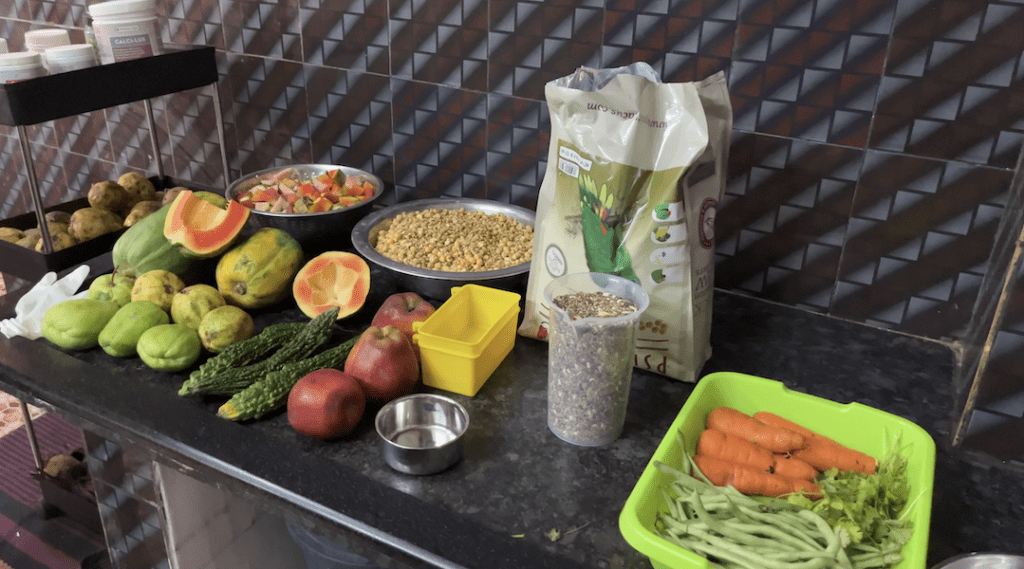
Conventional diets are based on seed mixtures, fresh vegetables, Soft Foods(sprouts) and nutritional supplements(anti-oxidants, vitamins, minerals, calcium & probiotics).
We use about 17 varieties of seeds which are carefully picked up in southern Tamil Nadu every year and we mix them according to the bird’s nutritional needs.
Seed Mix:
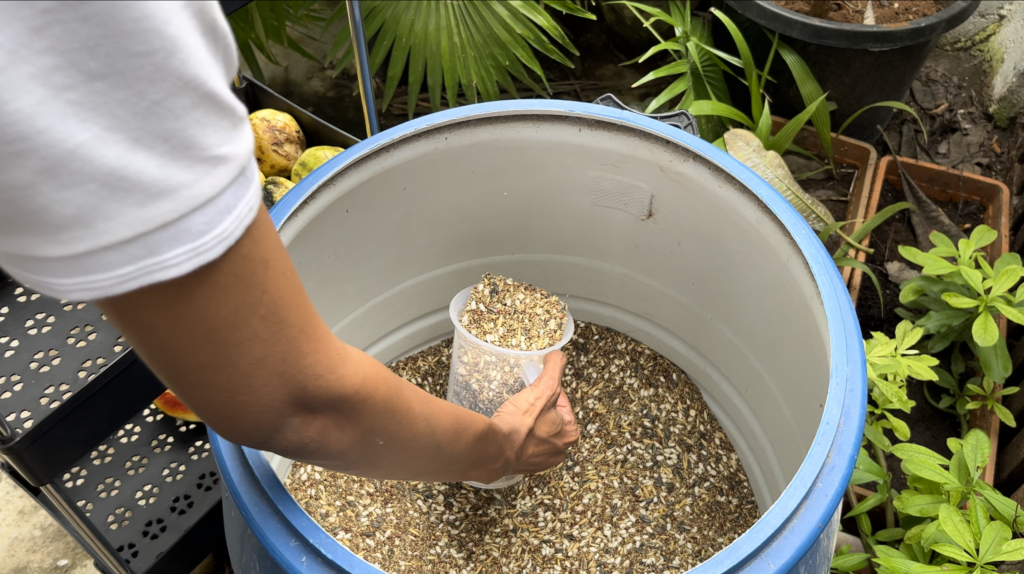
These mixtures included, foxtail millet, red millet, proso millet, pearl millet, little millet, barnyard millet, long oats, flax seed, niger seed, canary seed, wheat, dried corn, safflower, paddy, sunflower, corn, pine nuts and peanuts (groundnuts shelled).
Vegetables:
Add a variety of colors(red, orange, yellow, green) in your diet.
Carrot, Pumpkin, Sweet Potatoes, Beetroot, Butternut Squash, Chayote, Broccoli, Beans, Corn on the cob.
Fruits:
Apple, Guava, Raw Mango, Papaya.
Supplements:
We give supplements on food(soft food and vegetables).
Vitamins, Minerals(calcium), Amino-acid, Anti-oxidants(moringa powder, spirulina powder)
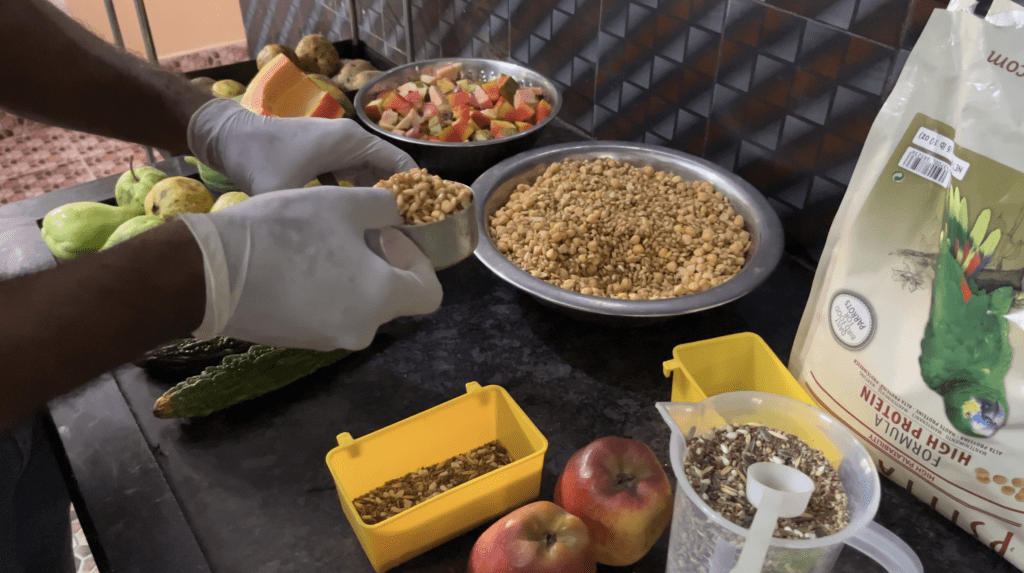
Soft Food:
Most bird-keepers feed soft food to their parrots, especially during the breeding season. They are high in protein.More availability of vitamins and protein helps to breed, lay eggs and rear chicks.
Beans, Lentils, Peas, Wheat, chickpeas, – split gram lentil, Bengal gram dhal, green gram dhal.
We soak the pulses for 24 hours and serve them to the birds.
Maintenance Diet & Breeder Diet:
Right amount of nutrition is required for optimal growth, breeding, and molting. Outside these breeding seasons/periods, the diet has to shift to the maintenance diet. In captivity, birds depend on their owner to provide them the right quality and quantity of food at appropriate stages in their lives.
Nutritional change is one of the major influences over the breeding response. Wild birds breed when the food is abundant and captive birds respond to these changes in the same way.
A Belgian research about birds tells us that adult birds select a diet of about 15% of protein before chicks hatch. After hatching the birds select about 20% of protein.
There is a formula to calculate the food intake. A bird should consume about 10% of their body weight in food daily, but I have never relied on this calculation (I’ll explain this later) .
Eg. Orange Winged Amazon parrot weigh about 370g ie) 370*10% = 37 grams
Hence, each Orange winged amazon needs about 37-40g of food per day.
I never stick to this calculation alone, because climate, age, level of activity and even breeding conditions can all affect metabolism. Instead we feed enough so that the birds consume the entire amount in 15-20 minutes, then offer vegetables and a little fruit. We monitor the weight and increase or decrease the food that they get, reducing or increasing the amount fed. Pairs rearing young obviously receive much more food, as this is then used to feed the young hatchlings.
Usually 65-70% of the daily in-take comes from the seed mix. The Remaining 25-30% can be from Fruits, vegetables and greens of the daily diet.
Fats: Recommended levels of fats for parrots are quoted as 2% – 4% of the total dietary intake for small and medium parrots.
Carbohydrates: Recommended levels of carbs vary based on the amount of physical activity, environmental temperature, and fat reserves.
Vitamins: As mentioned above 10% – 15% of total dietary intake are suggested for maintenance, rising to 20% at times of rapid growth (chicks), egg production, or repair and replacement (recovery from illness or molting).
Minerals: Minerals are divided into two types. Fat-soluble (vitamins A, D, E and K), and Water-soluble (vitamins B-complex and C).
Vitamin A will be found in dark green foods (kale, spinach, broccoli, sweet potato, peas and beans), carrot, sweetcorn peppers, and mango. Vitamin D is manufactured by the bird in its skin and preen gland, in response to ultraviolet radiation(sun-light). Most caged birds are never exposed to sunshine, and hence unable to activate/produce their vitamin D. So, it can be given as supplements available in the market. Vitamin E is obtained from spinach, apples,pears, mango, almonds,walnuts, sweet potatoes, sunflower kernels, pine nuts, and wheatgerm. Vitamin K supply comes from green vegetables.
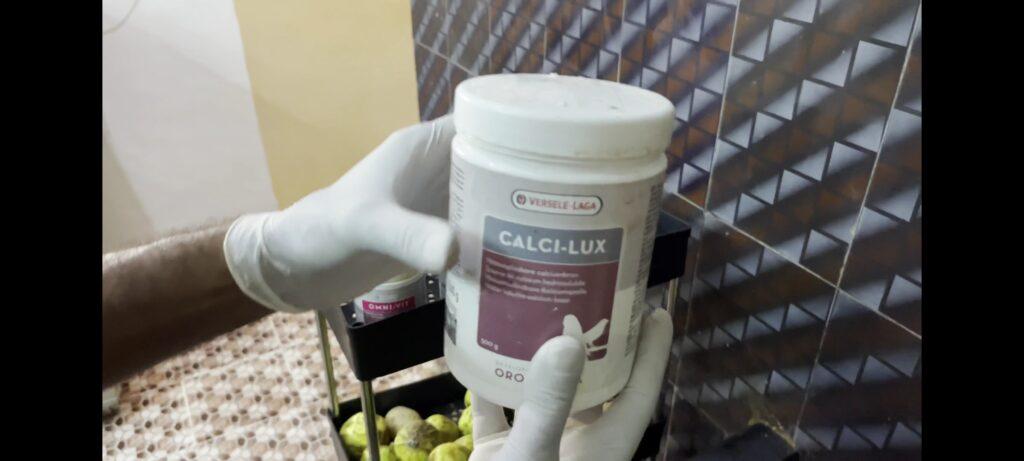
Calcium is arguably the most important, and is present in dark green foods.Calcium is required for bone formation, feather production, egg shell manufacture, and normal nerve and muscle function. Phosphorus is closely linked with calcium, and is also essential for bone formation. However, the ratio of calcium to phosphorus in the diet should be around 2:1. Iron is essential for hemoglobin, the oxygen-carrying pigment in red blood cells.
Follow My Journey:
Facebook: https://www.facebook.com/JaydenJoshuaAviculture/
Instagram: https://www.instagram.com/jayden.joshua.aviculture/
Subscribe to our newsletter!
