


Learn about the Catalina Macaw, a stunning hybrid parrot with vibrant plumage. Discover its origin, characteristics, and care in this comprehensive guide.Read More
All About Catalina Macaw
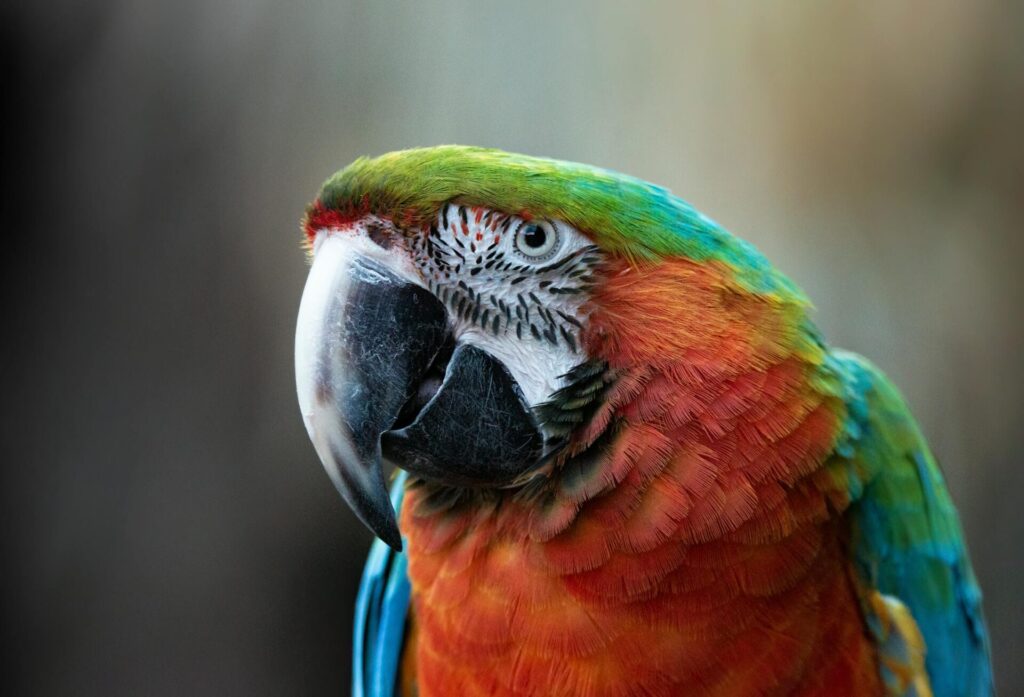
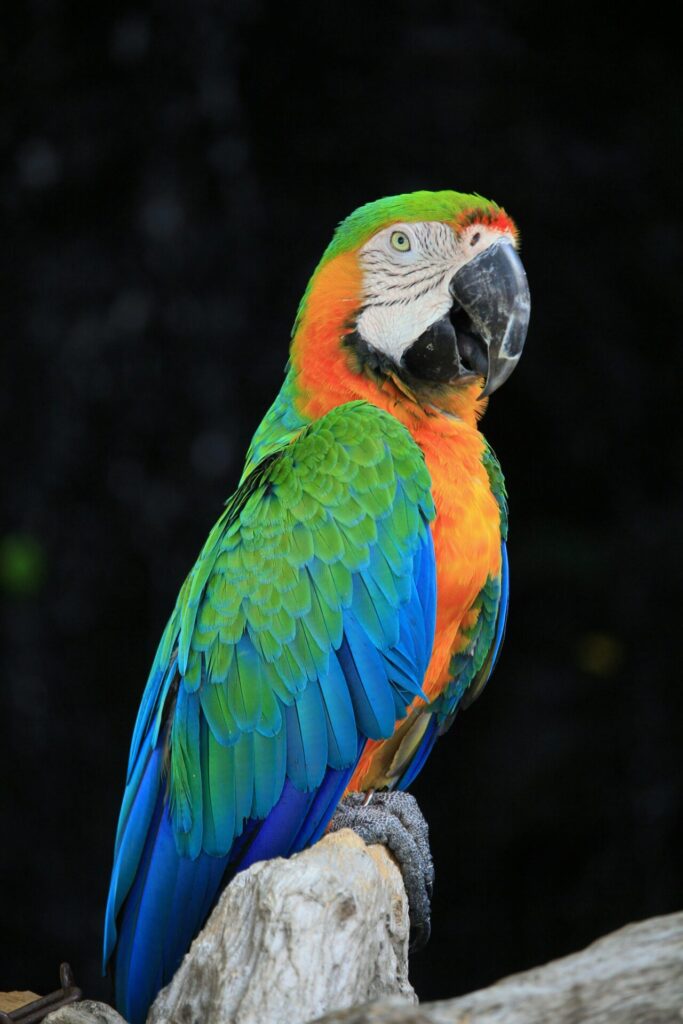
The Catalina Macaw is a hybrid resulting from the crossbreeding of the Blue-and-Gold Macaw and Scarlet Macaw, making it a first-generation hybrid. Due to their hybrid nature, Catalina Macaws lack a distinct scientific name. They are best represented in taxonomy by the notation Ara ararauna × Ara macao. These birds typically exhibit vibrant red or deep orange coloring on their chests and bellies, with variations including stunning red-orange heads or striking blue-green crowns. Their backs showcase a mix of green and blue feathers, extending to their long tails. Many Catalina Macaws also display golden feathers outlining their wings and tails.
Appearance of Catalina Macaw
- Medium-sized parrots, reaching around 35 inches (89 cm) in length with a wingspan of 40-45 inches (100-110 cm).
- Striking plumage influenced by both parent species:
- Chest, abdomen, and back can range from orange or yellowish to a brilliant red-orange, often determined by the father’s genes (Scarlet Macaws have more red).
- Wings and tail typically display a mix of green and blue feathers.
- White chin with black surrounding patches.
- Gray beak.
- Often confused with the Harlequin Macaw, but Catalina Macaws have a longer, tapering tail like the Scarlet Macaw.
- No significant visual difference between males and females.
Behaviour of Catalina Macaw
- Blend of personalities from their parents:
- Playful and energetic like the Blue-and-Gold Macaw.
- Intelligent and enjoy training similar to the Scarlet Macaw.
- Highly social birds that crave interaction and form strong bonds with their owners.
- Require mental stimulation and enrichment to prevent boredom, which can lead to destructive behaviors due to their powerful beaks.
- Can be quite vocal with loud screeches, squawks, and even some mimicry abilities.
Care and conditions of Catalina Macaw
- Not ideal for all owners due to their:
- Long lifespan (potentially 60 years with proper care).
- Demanding needs for spacious enclosures, a balanced diet, regular interaction, and mental stimulation.
- Loud vocalizations should be a factor when considering a Catalina Macaw as a pet.
Subscribe to our newsletter!
