


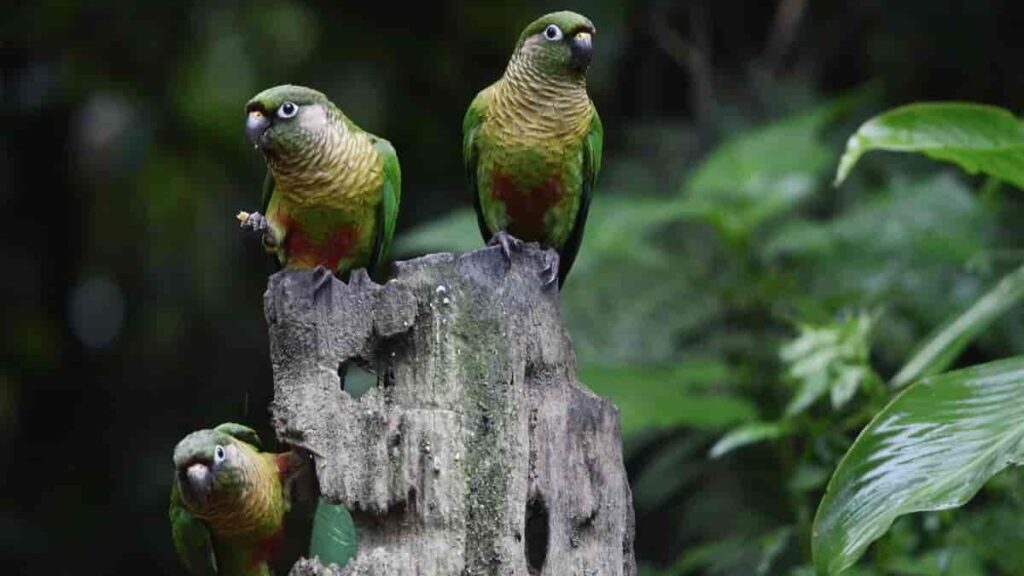
Discover everything you need to know about caring for a green cheek conure, from diet and housing to training and socialization. Whether you’re a new bird owner or considering getting a green cheek conure, this guide has you covered.Read More
All About Green Cheeked Conure
The Green-cheeked Conure, also known as the Green-cheeked Parakeet (Pyrrhura molinae), is a popular and energetic little parrot native to South America. Here’s a look at these charming birds:
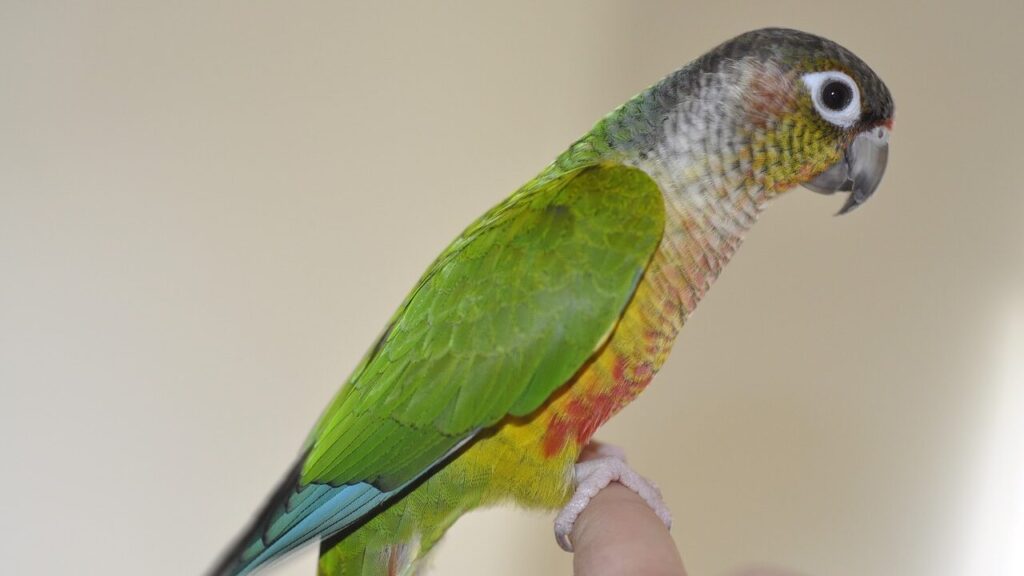
Appearance of Green Cheeked Conure

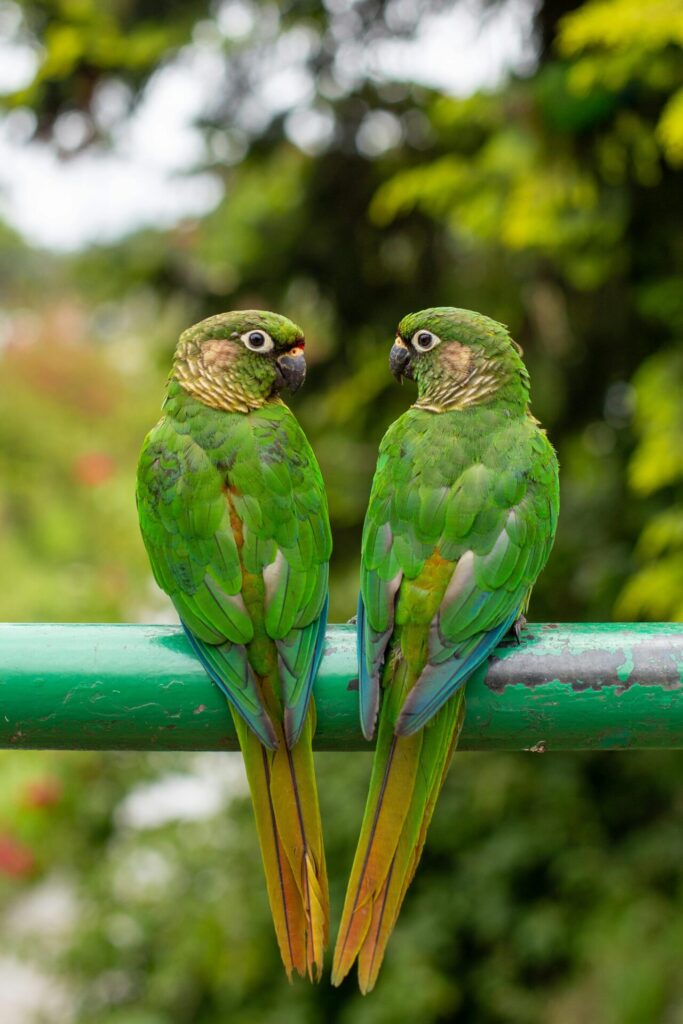
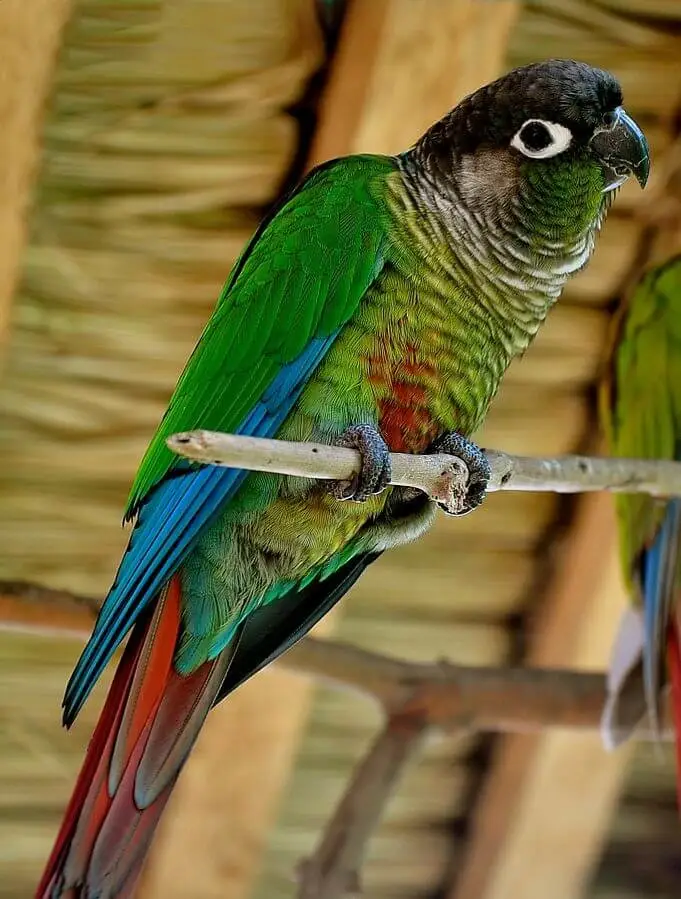
- Predominantly Green: As their name suggests, Green-cheeked Conures are primarily green. Their body feathers and most of their wings are a vibrant green color.
- Contrasting Features: They have some beautiful contrasting colors that add pizazz to their plumage:
- Maroon Maroon Belly: A prominent feature is the maroon or reddish patch on their lower belly, extending up to the undertail coverts.
- Gray Chest Banding: Their chest has horizontal gray barring, creating a distinctive pattern.
- Blue Flight Feathers: The primary flight feathers on their wings have a beautiful blue tinge.
- Black Beak and Feet: They have a dark gray or black beak and dark feet.
- Sexual Dimorphism: There are subtle differences between males and females. Males typically have a larger head and beak compared to females. However, plumage coloration is mostly similar for both sexes.
Behaviour of Green Cheeked Conure
- Social Birds: These are not solitary creatures. They are often seen in pairs, small flocks, or even larger groups foraging for food together.
- Playful Personalities: Green-cheeked Conures are known for their playful and energetic nature. They love to climb, explore, and engage with toys and enrichment objects.
- Intelligent and Trainable: These little birds are quite intelligent and can learn tricks, simple commands, and even mimic sounds to a limited extent.
- Affectionate with Bonding: While not cuddly birds in general, Green-cheeked Conures can form strong bonds with their caregivers and enjoy interaction and attention.
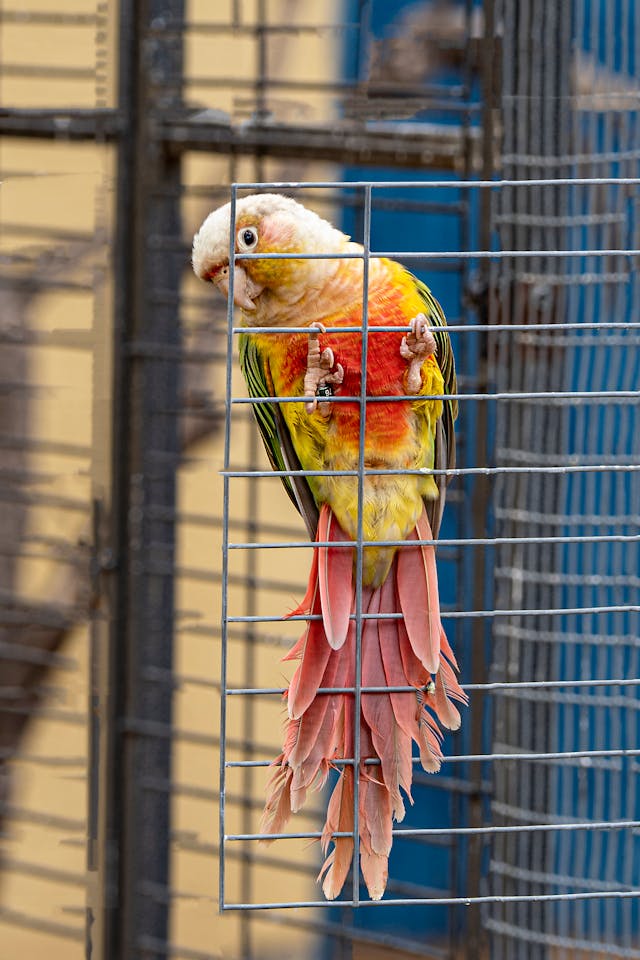
Diet of Green Cheeked Conure
- Omnivorous: In the wild, Green-cheeked Conures enjoy a varied diet consisting of fruits, vegetables, seeds, nuts, flowers, and buds. Their strong beaks allow them to crack open nuts and seeds to access the nutritious kernels inside.
- Captive Care: When kept as pets, they require a balanced diet that mimics their natural food sources. A high-quality parrot pellet mix should be the base, supplemented with fresh fruits, vegetables, chopped nuts, and occasional treats to ensure they receive all the essential nutrients they need.
Lifespan of Green Cheeked Conure
- In Captivity: With proper care, including a healthy diet, spacious enclosure, and opportunities for socialization and mental stimulation, Green-cheeked Conures can live for a respectable lifespan of 25-30 years in captivity.
- Wild Lifespan: Unfortunately, data on their lifespan in the wild is not readily available due to the challenges of tracking wild populations.
Habitat of Green Cheeked Conure
South American Forests: Green-cheeked Conures are found in the woodlands, forests, and savannas of central and eastern South America. Their range stretches from southern Brazil and Bolivia to northern Argentina and Paraguay.
Green Cheeked Conure as Pets
Green-cheeked Conures can be fantastic companions for people who can provide for their needs. Here are some things to consider before getting one:
- Lifespan Commitment: They can live for several decades, so be sure you can provide them with a loving home for the long term.
- Social Needs: They require regular interaction and mental stimulation to thrive.
- Space Requirements: They need a spacious enclosure to fly, climb, and exercise.
- Noise Levels: Be prepared for their sometimes loud vocalizations, especially when excited or seeking attention.
If you’re looking for an intelligent, playful, and engaging parrot companion, the Green-cheeked Conure might be a great choice for you. However, it’s crucial to do your research and ensure you can meet their needs before bringing one home.
Want to learn more about Emma Conures? Check out our blog post!
Subscribe to our newsletter!
